



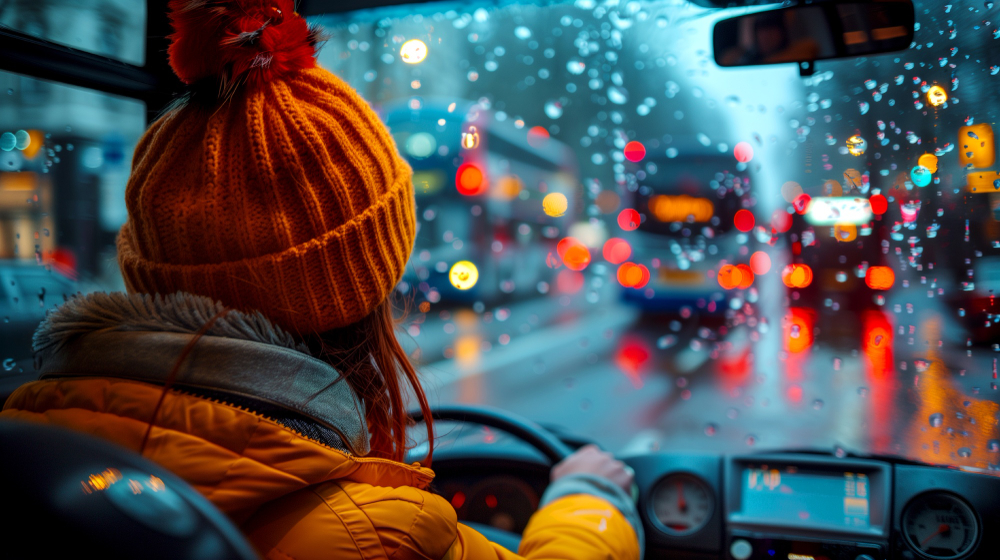
Calgary experiences all four seasons with dramatic weather changes that impact driving conditions. From winter snow to summer storms, knowing how weather affects your vehicle and the road helps keep you safe. This guide covers the main weather challenges local drivers face.
Winter Snow & Ice Conditions
Snow is the most significant weather challenge for Calgary drivers. Snow-covered roads reduce traction, increasing stopping distances and making steering less responsive. Fresh snow can hide ice underneath, creating deceptive road conditions.
When driving in snow Calgary style, reduce your speed significantly. A general rule is to cut your speed in half compared to dry conditions. On icy roads, reduce speed even more. Your tires need to grip the road surface, and ice eliminates most of that grip.
Accelerate and brake gently on snow and ice. Sudden movements break traction and cause skids. When starting from a stop, apply light throttle pressure. If your wheels spin, ease off the gas. Spinning tires dig into snow and ice rather than moving you forward.
Braking on snow requires gentle, steady pressure. If you have anti-lock brakes (most modern cars do), press firmly and let the system work. You’ll feel a pulsing sensation, which is normal. Don’t pump anti-lock brakes. For vehicles without ABS, pump the brakes to avoid locking the wheels.
Increase following distance to at least eight to ten seconds in snowy conditions. Your stopping distance increases dramatically on slippery surfaces. This buffer gives you time to slow down gradually when traffic ahead stops.
Black Ice Recognition & Response
Black ice is a thin, transparent layer of ice on the road that’s nearly invisible. It typically forms on bridges, overpasses, and shaded areas where the road stays colder. Early morning and late evening are prime times for black ice formation.
If the road looks wet when temperatures are below freezing, assume it’s ice. Test your traction by gently tapping your brakes in a safe area. If the car slides, you’re on ice.
When you hit a patch of ice, stay calm. Don’t brake or accelerate suddenly. Keep the steering wheel straight and ease off the gas. Let the car coast through the icy patch. Most ice patches are short, and you’ll regain traction quickly.
If you start to skid, steer in the direction you want to go. Look at your intended path, not at what you’re sliding toward. Your hands tend to steer where your eyes look.
Freezing Rain Hazards
Freezing rain creates the most dangerous driving conditions. Rain hits the cold road surface and freezes instantly, coating everything with ice. The road becomes a skating rink.
If freezing rain starts while you’re driving, pull over as soon as safely possible. Find a parking lot, gas station, or other safe area. Wait for conditions to improve or for road crews to salt the streets.
If you must drive, go extremely slowly. Keep turns gentle and braking to an absolute minimum. Hills become nearly impossible to deal with. Avoid them when possible or wait for salt trucks to clear them.
Bridges and overpasses freeze first and become most dangerous. Approach them slowly and avoid any speed or direction changes while on them.
Heavy Rain Driving Strategies
Summer brings intense rainstorms that can reduce visibility to nearly zero. Heavy rain also creates standing water and hydroplaning risks.
When rain reduces visibility, slow down and turn on your headlights. If you can’t see the road clearly, you’re driving too fast. Alberta law requires headlights when visibility is reduced or when wipers are running.
Avoid large puddles when possible. Water deeper than the bottom of your doors can damage your engine. If you must drive through standing water, go slowly to avoid creating a large splash that can flood your engine.
Hydroplaning occurs when water builds up between your tires and the road, causing you to lose contact with the pavement. This happens at speeds as low as 35 mph on wet roads with worn tires.
If you hydroplane, ease off the gas and keep the steering wheel straight. Don’t brake or turn sharply. As you slow down, your tires will reconnect with the road. Keep calm and make no sudden movements.
Reduced Visibility in Fog
Fog reduces visibility and can appear suddenly in valleys and low-lying areas. When driving in fog, use low-beam headlights, not high beams. High beams reflect off fog particles and create glare that reduces visibility further.
Follow road edge markings to stay oriented. Increase the following distance since you can’t see far ahead. If fog becomes too dense, pull over safely, preferably in a parking lot rather than on the roadside.
Use your defroster to keep windows clear. Fog often creates condensation inside the car, reducing visibility further. Don’t use hazard lights while moving unless you’ve pulled over.
Wind Effects on Vehicle Control
Calgary experiences strong winds, particularly Chinook winds in winter and spring. High winds affect vehicle control, especially for high-profile vehicles such as trucks and SUVs.
Strong crosswinds can push your vehicle sideways. Keep both hands on the wheel and make small steering corrections as needed. Slow down when winds are severe.
Be extra cautious on bridges and open areas where wind gusts can be sudden and strong. When passing large trucks, be prepared for wind buffeting as you move past them or when they pass you.
If the wind becomes dangerous, pull over and wait. A few minutes of delay is better than losing control of your vehicle.
Sun Glare Challenges
Calgary sits at a high altitude with clear skies, creating intense sun glare, particularly during sunrise and sunset. In winter, low sun angles and snow reflection make glare worse.
Keep sunglasses in your car and wear them when needed. Polarized lenses reduce glare effectively. Use your sun visor to block direct sun. If glare completely obscures your vision, slow down significantly or pull over until conditions improve.
Clean your windshield regularly to reduce glare. Dirt and smears scatter sunlight and make glare much worse. Keep windshield washer fluid filled, especially in winter when road salt creates a film on the glass.
Hail Damage Prevention
Summer hailstorms can develop quickly in Alberta. Large hail damages vehicles and creates slippery road conditions.
If caught in hail while driving, find shelter immediately. Pull under an overpass, into a parking garage, or under a gas station canopy. Don’t stop on the roadside, as this creates hazards for other drivers.
If no shelter is available, pull over safely, turn on hazard lights, and move away from windows in case they break. Don’t try to drive through heavy hail.
Rapid Temperature Changes
Calgary is known for rapid temperature swings, particularly with Chinook winds that can raise temperatures 30 degrees in hours. These changes affect road conditions dramatically.
A warm Chinook following a cold snap creates melting snow that refreezes at night, creating glare ice. Roads that seem safe during the day become treacherous by evening.
Watch for areas where melting snow crosses the road. This water refreezes quickly as temperatures drop, creating icy patches. Bridges and shaded areas freeze first.
Preparing Your Vehicle for Weather
Rainy weather driving tips start with proper vehicle maintenance. Check your tire tread regularly. Worn tires lose grip on wet and snowy roads. The legal minimum tread depth is 1.6mm, but 3mm is safer for winter conditions.
Keep tires properly inflated. Under-inflated tires reduce traction and handling. Cold weather reduces tire pressure, so check it monthly in winter.
Winter tires are essential for driving in snow Calgary experiences. All-season tires lose flexibility in cold weather and provide poor traction. Winter tires remain pliable in freezing temperatures and have tread patterns designed for snow and ice.
Install winter tires by early November and keep them on until April. Store summer or all-season tires properly when not in use.
Keep washer fluid filled with winter-rated fluid that won’t freeze. Summer washer fluid freezes solid in Calgary winters and is useless when you need it most.
Check your battery before winter. Cold weather reduces battery capacity. A weak battery that works in summer will fail on a cold morning.
Emergency Kit Essentials
Always carry an emergency kit, especially in winter. Include a blanket, flashlight, first aid kit, snacks, water, and a phone charger. Add a small shovel, ice scraper, and kitty litter or sand for traction.
Keep your gas tank at least half full in winter. This prevents fuel line freeze-up and ensures you can run the engine for heat if stranded.
Road Condition Resources
Check road conditions before driving in bad weather. The Alberta 511 website and app provide current road condition information. Local news and weather apps also report on road closures and hazardous conditions.
If conditions are dangerous, consider postponing travel. Work and appointments can be rescheduled, but your safety cannot be compromised.
Knowing Road Priority
Main roads are cleared first during snow events. Residential streets may remain snow-covered for days. Plan routes that use major roads when possible during winter storms.
School zones and playground zones maintain reduced speed limits year-round. These areas require extra caution in all weather conditions.
Learning from Each Season
Each season brings new challenges. Summer drivers should prepare for winter by practicing in empty parking lots after the first snow. Winter drivers should remember that spring brings ice as snow melts and refreezes overnight.
Experience helps, but even experienced drivers must adapt to current conditions. Never assume roads are safe based on how they look. Test your traction carefully and adjust your driving to match conditions.
Building Weather Driving Confidence
Start with short trips in mild weather challenges. Drive in light snow or rain before attempting heavy conditions. Build experience gradually. Always allow extra time when weather is poor so you can drive slowly without feeling rushed.
Pay attention to how your vehicle responds in different conditions. Every car handles differently. Learn how your specific vehicle brakes, accelerates, and corners on wet and snowy roads.
The key to safe driving in all weather is adapting your speed and behavior to match conditions. No amount of skill overcomes physics. Slow down, increase following distance, and stay alert.
Comments are closed