



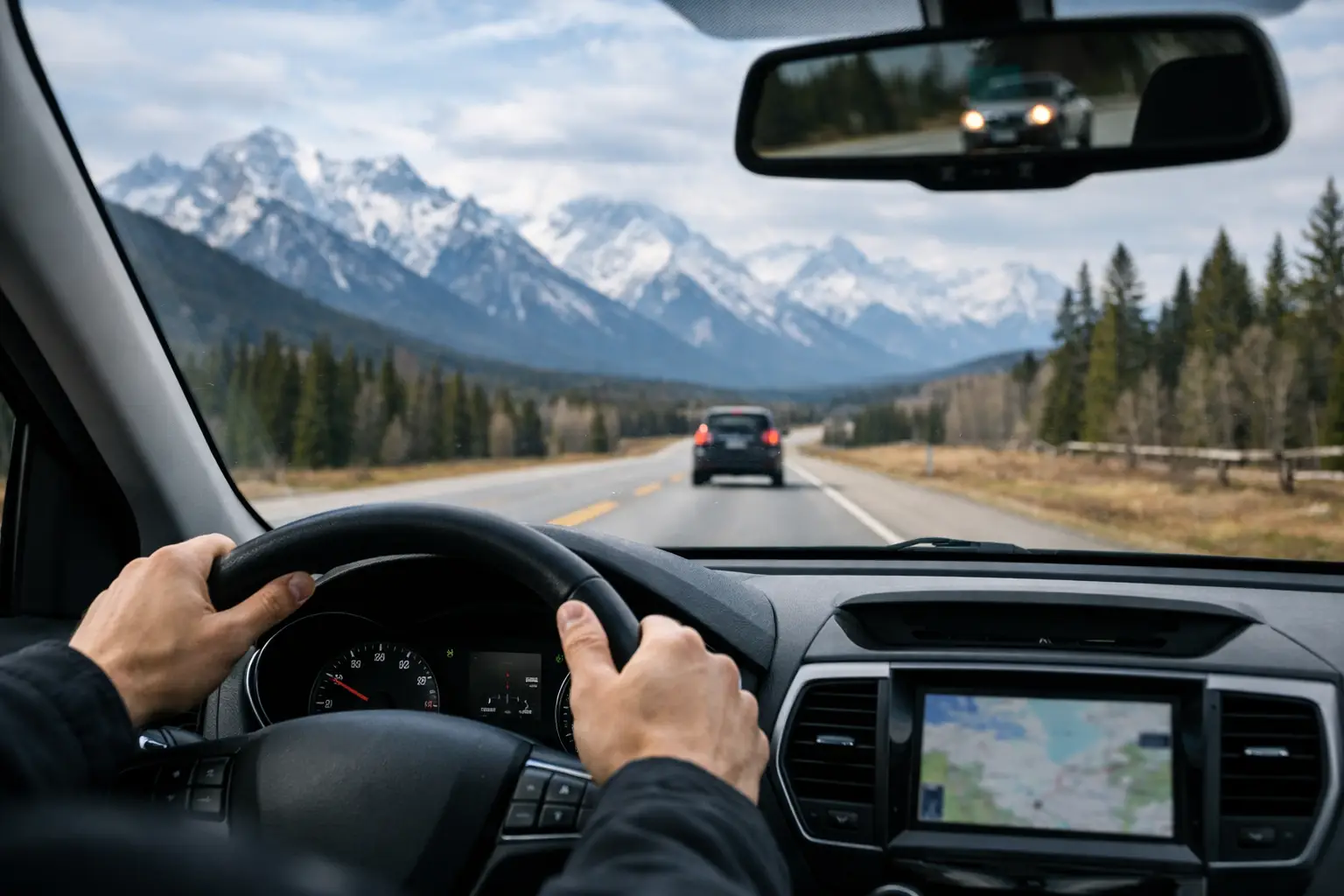
A green light on Macleod Trail does not mean the intersection is safe. In Alberta, the best defensive driving habits Alberta drivers build are not about reacting at the last second. They are about reading the road early, managing space, and making calm decisions before a problem turns into a close call.
That matters whether you are a new Class 5 GDL driver, preparing for a road test, or returning to driving after time away. Defensive driving is not a single technique. It is a set of repeatable habits that reduce risk in city traffic, on fast ring roads, and during sudden weather changes.
What defensive driving really means in Alberta
Defensive driving means expecting the unexpected and driving in a way that leaves you options. That includes watching for hazards, protecting your space, and adjusting to road, traffic, and weather conditions before they force your hand.
In Alberta, this skill matters because conditions change quickly. A dry afternoon in Calgary can turn into reduced visibility, black ice, or slushy lanes by evening. Add merge-heavy roads, construction, school zones, and aggressive drivers, and the safest approach is a disciplined one.
Good drivers do not rely on being technically right. They drive to avoid preventable conflict. If another driver makes a poor decision, your goal is to have enough time and space to respond smoothly.
Best defensive driving habits Alberta drivers should practice daily
Keep a full space cushion
Space gives you time, and time gives you control. One of the most useful habits is maintaining a safe following distance in every traffic condition, not just when speeds are high.
Many drivers underestimate stopping distance, especially in winter or when they are distracted for even a second. A larger gap helps you brake gradually instead of sharply. It also improves visibility because you can see farther ahead, not just the bumper in front of you.
This habit matters at red lights too. When you stop, leave enough room to see the rear tires of the vehicle ahead touching the pavement. That small detail gives you room to move if traffic compresses behind you or the vehicle in front stalls.
Scan farther ahead than feels natural
New drivers often look too close to the front of the vehicle. Experienced defensive drivers keep their eyes moving and scan well ahead. They watch intersections, lane changes, brake lights several cars up, pedestrian activity, and vehicles that may enter unexpectedly.
The goal is not to make driving feel stressful. It is the opposite. Early scanning reduces surprise. When you spot a developing problem sooner, your response can be smaller, smoother, and safer.
On busy roads, check mirrors regularly and keep track of what is beside you and behind you. A strong defensive driver is aware of the full traffic picture, not just what is directly ahead.
Expect mistakes from other drivers
This is one of the most practical habits to build. Do not assume every signal is accurate, every stop sign will be respected, or every lane change will be checked properly.
That does not mean driving in fear. It means driving with healthy caution. If a vehicle is edging forward at an intersection, prepare for the possibility that it will pull out. If a car is weaving in its lane, increase your following distance and avoid sitting beside it longer than necessary.
Drivers who expect perfect behavior from others are often caught off guard. Drivers who expect occasional mistakes are better prepared.
Use speed as a safety tool, not a target
Posted speed limits matter, but conditions matter too. Defensive driving means choosing a speed that fits visibility, traction, traffic flow, and road design.
Sometimes that means driving below the limit because roads are icy or visibility is poor. Other times, the issue is not going too slowly in the left lane or hesitating in a way that confuses other drivers. Safe driving is not just about slowing down. It is about being predictable and appropriate for the conditions.
On Alberta highways, speed differences between vehicles can create risk quickly. Hold a steady, legal pace when conditions allow, and avoid sudden braking or unnecessary speed changes.
Hazard detection is the habit behind all the others
Look for patterns, not just objects
Hazard detection is more than seeing a parked car or a pedestrian. It is noticing what could change next. A ball near the curb can mean a child may follow. Snow piled near a crosswalk can hide a pedestrian. A large truck in the next lane may block your view of a merging vehicle.
Strong hazard detection comes from pattern recognition. You begin to identify situations that often lead to conflict, then adjust before the conflict appears.
This is a skill that improves with structured practice. It also explains why instructor-led lessons help many learners progress faster than casual practice alone. A licensed instructor can point out subtle risks that a nervous or inexperienced driver may miss.
Watch the wheels, not just the vehicle body
At intersections and in parking lots, tire movement often tells you more than the shape of the vehicle. A car may appear stopped, but if the front wheels begin to roll, you have an early warning that it is moving.
This is especially helpful when visibility is partially blocked or when another driver is inching forward without signaling clearly. Small cues matter in defensive driving.
Defensive habits for Alberta weather and road conditions
Adjust early in snow, ice, and low visibility
Winter driving rewards drivers who make changes before the road feels dangerous. Increase following distance, reduce speed smoothly, and brake gently. Sharp steering, hard acceleration, and last-second lane changes create traction problems fast.
Bridges, shaded areas, and less-traveled lanes may freeze first. If roads look merely wet in cold temperatures, stay cautious. The risk is not always obvious from the driver’s seat.
In poor visibility, use headlights properly, keep windows clear, and give yourself extra time. Defensive driving starts before the vehicle moves. If your windshield is partly fogged or snow remains on the roof, your preparation is incomplete.
Respect high-speed merging and lane discipline
Alberta drivers spend a lot of time on multi-lane roads where merging decisions matter. Defensive habits here include matching traffic speed on the ramp when conditions allow, checking blind spots every time, and avoiding slow, uncertain merges that force other drivers to react.
Once on the road, stay out of other vehicles’ blind spots when possible. If you must pass, do it efficiently and legally. If another driver wants to move faster, let them go rather than turning the moment into a contest.
Habits that help on a road test and after it
Road tests reward the same habits that keep you safe long term. Examiners look for observation, mirror checks, shoulder checks, lane positioning, speed control, and safe decisions under normal pressure. They are not looking for flashy driving. They are looking for steady judgment.
That is why defensive habits should be practiced until they feel routine. A shoulder check done only because an examiner is watching is easy to forget under stress. A shoulder check built into every lane change becomes dependable.
For many learners, the challenge is confidence. The answer is not to rush. Confidence comes from a structured process – learning the rules, understanding the reason behind them, and practicing in-car skills in realistic traffic situations until your responses become consistent.
This is where a school like Turn by Turn Driving School can make a real difference. When lessons are organized with clear hour requirements, multi-day in-car sessions, and a safety-first focus on hazard detection and defensive driving, students build habits that support both road test readiness and everyday driving.
The most overlooked defensive driving habit
The most overlooked habit is staying emotionally neutral. Defensive drivers do not chase, argue, block, or teach lessons with their vehicle. They recognize that frustration leads to rushed decisions, missed hazards, and poor spacing.
If another driver cuts you off, your best move is usually to restore space and refocus. If traffic is slow, accept the pace and keep scanning. Emotional control is not separate from defensive driving. It is one of its foundations.
A safe driver is not the one who proves a point. It is the one who gets everyone home without adding risk.
The best defensive driving habits are built one drive at a time. Start with space, scanning, and calm decision-making, then practice them until they feel automatic. That is how safer driving becomes not just a test skill, but a lifelong standard.
Comments are closed