



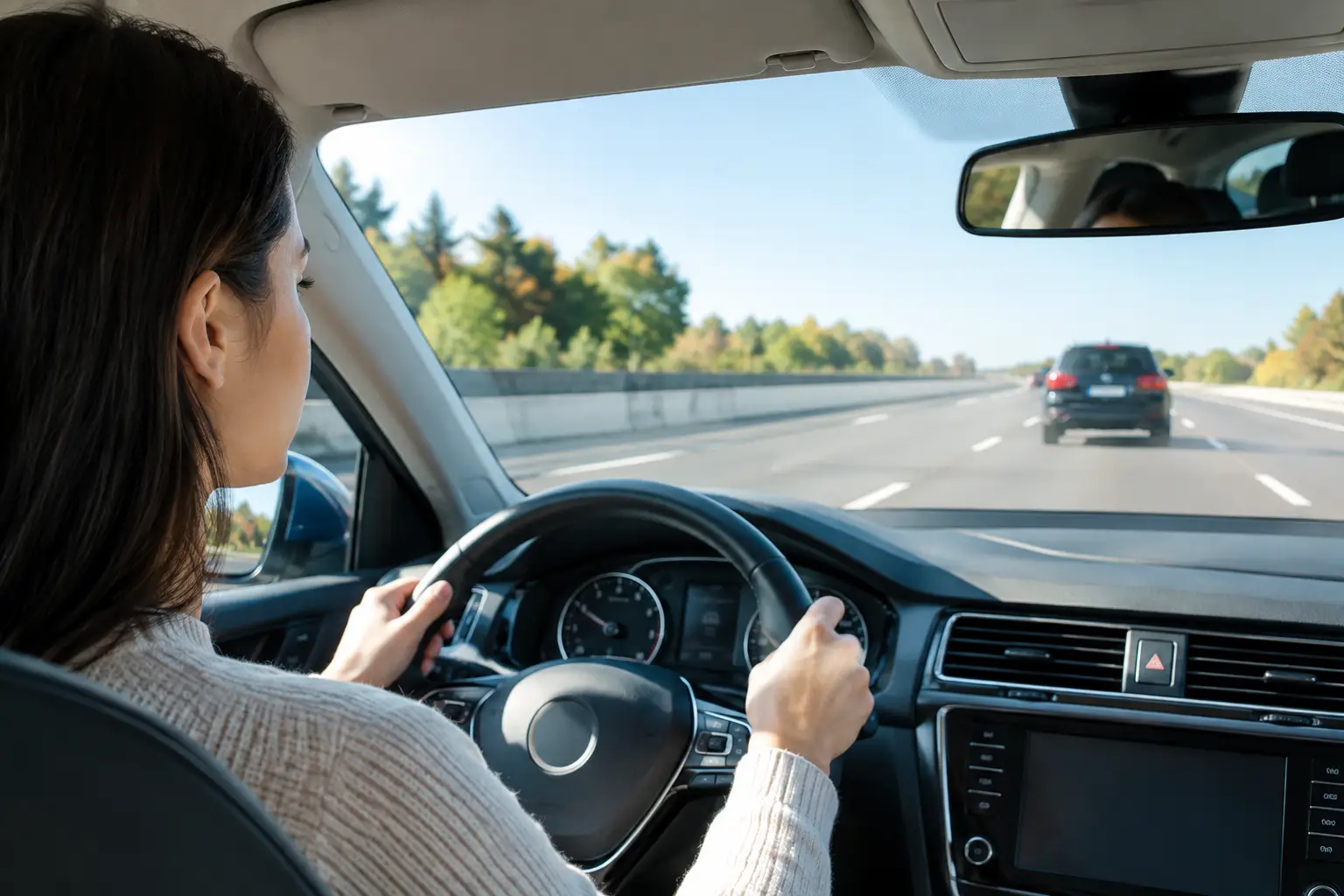
A merge can feel rushed because the road seems to make the decision for you. Traffic is moving, the lane is ending, and there is little room for hesitation. Learning how to practice merging safely turns that pressure into a repeatable driving routine: observe early, build appropriate speed, choose a gap, and enter with control.
For new drivers, merging is not about forcing your way into traffic or stopping at the end of an acceleration lane. It is about planning ahead and communicating clearly with speed, position, signals, and observation. With structured practice, highway entrances, lane reductions, and busy city roads become far more manageable.
Start With the Right Understanding of a Merge
A merge happens when two lanes of traffic join into one lane or when you use an entrance lane to join a roadway. The driver entering the continuing lane must yield when required and avoid disrupting traffic already established in that lane. Other drivers may create space as a courtesy, but never depend on them to do so.
This is why speed matters. If traffic is moving at 60 mph and you enter at 35 mph, drivers behind you must brake or change lanes abruptly. If you accelerate without checking for a gap, you may crowd another vehicle. A safe merge matches the flow of traffic as closely as conditions allow while leaving enough time and distance to make a sound decision.
Weather, construction, heavy traffic, and short entrance ramps all change the approach. In Calgary, winter road conditions can significantly reduce available traction and visibility. On a wet, icy, or snow-covered roadway, a safe merge may require a larger gap, smoother acceleration, and earlier planning.
Build the Merging Routine Before You Need It
The best time to look for a gap is not at the very end of the lane. Begin scanning as soon as you recognize that a merge is ahead. Road signs, lane markings, and the changing position of traffic should tell you what is coming well before the pavement runs out.
Use this routine every time:
- Scan ahead and check traffic early. Look well ahead for signs showing an entrance, lane ending, construction zone, or lane reduction. Check your inside and outside mirrors to understand traffic around you.
- Signal your intention. Turn on your signal early enough for other drivers to recognize that you plan to merge. A signal communicates your plan, but it does not give you the right-of-way.
- Adjust speed to traffic. Use the acceleration lane to build speed progressively. Keep your attention on the road ahead while continuing to monitor the lane you will enter.
- Choose a gap. Identify a safe space between vehicles rather than focusing only on the vehicle beside you. Ask yourself whether you can enter without making another driver brake, swerve, or accelerate sharply.
- Check mirrors and blind spot. Mirrors provide most of the picture, but they do not show everything. Make a quick shoulder check toward the lane you are entering immediately before moving over.
- Merge smoothly and keep moving. Guide the vehicle into the gap with a gradual steering movement. Once established in the lane, cancel the signal and create a safe following distance.
This sequence should feel deliberate, not frantic. With repetition, it becomes a habit you can use on every type of roadway.
Practice Merging Safely in Stages
New drivers should not begin on the busiest highway during rush hour. Start where you can focus on the routine without managing too many variables at once. A quiet multi-lane road with clear lane markings is often a useful first setting for practicing mirror checks, signaling, speed adjustments, and controlled lane changes.
Next, practice entering a roadway from longer, lower-pressure acceleration lanes. Choose daylight hours and dry road conditions when possible. Your goal is not to find the perfect empty gap. Your goal is to see traffic patterns early enough to select a reasonable space and match speed without sudden braking.
As confidence grows, add more demanding situations: moderate traffic, shorter entrance ramps, lane closures, and higher-speed roads. Each practice drive should have one clear focus. One lesson might concentrate on timing your shoulder check. Another may focus on entering at a speed that fits traffic flow. Breaking the skill into parts prevents overload.
An experienced instructor can help identify habits that are difficult to notice on your own, such as checking mirrors too late, staring at the gap too long, or entering traffic at an inconsistent speed. At Turn by Turn Driving School, in-car instruction is designed to connect defensive-driving theory with real-road decisions, so students can build confidence through guided repetition.
Know What a Safe Gap Looks Like
A safe gap depends on speed, traffic density, weather, and the behavior of nearby drivers. There is no single number of car lengths that works in every situation. At higher speeds, you need more time and space to adjust. In rain or snow, you need even more.
Instead of judging a gap only by distance, judge it by time. After merging, you should have enough room that the vehicle behind does not need to brake suddenly and you can maintain a safe following distance from the vehicle ahead. If you are uncertain whether the space is sufficient, do not force the merge. Continue in the acceleration lane when possible, reassess, and use the available road to make a safer choice.
Avoid trying to merge directly beside another vehicle. That position leaves little room for error and keeps you in a blind spot longer than necessary. Aim to enter ahead of or behind the vehicle when there is adequate space.
Common Merging Mistakes to Correct Early
One common error is stopping at the end of an acceleration lane when traffic is moving. A full stop can make it much harder to reach traffic speed and may create risk for vehicles behind you. There are situations where stopping is necessary, such as when traffic is blocked or no safe gap exists, but it should not be the default plan.
Another mistake is looking only over the shoulder and losing awareness of the road ahead. The shoulder check should be brief and timed after you have already scanned mirrors and selected a gap. Keep your steering steady. A long glance away from the road can lead to drifting.
Some drivers also focus so intensely on the vehicle in the target lane that they ignore the vehicle ahead in the entrance lane. Continue monitoring forward space. Traffic may slow suddenly, especially near construction zones, collisions, or congested exits.
Finally, do not assume another driver will make room because you are signaling. Defensive driving means preparing for the possibility that they will maintain speed, accelerate, or fail to notice you. Your plan should always include a safe alternative.
Apply the Same Skills to Lane Reductions
Merging safely is not limited to freeway entrances. When two lanes become one because of road work or lane closures, begin preparing as soon as you see the signs. Move into the continuing lane when it is safe, rather than waiting until the lane ends and making a last-second maneuver.
In slow, congested traffic, drivers may alternate into the open lane near the merge point. The safest approach depends on signs, traffic behavior, and available space. Stay patient, leave room ahead, and avoid blocking vehicles or competing for position. Predictable, courteous driving helps traffic move more safely for everyone.
Practice With a Clear Goal
Before each practice session, choose a route with a few opportunities to merge and decide what you will evaluate afterward. Did you identify the merge early? Did you signal in time? Did you match speed smoothly? Did you complete a mirror check and shoulder check without drifting? Specific questions produce faster improvement than simply deciding that the merge felt good or bad.
A safe merge is a decision made early, not a rescue maneuver made at the end of the lane. Practice the routine in manageable stages, respect changing road conditions, and give yourself permission to wait for a better gap when one is available. That steady approach builds the judgment needed to drive with safety and control long after the road test is over.
Comments are closed