



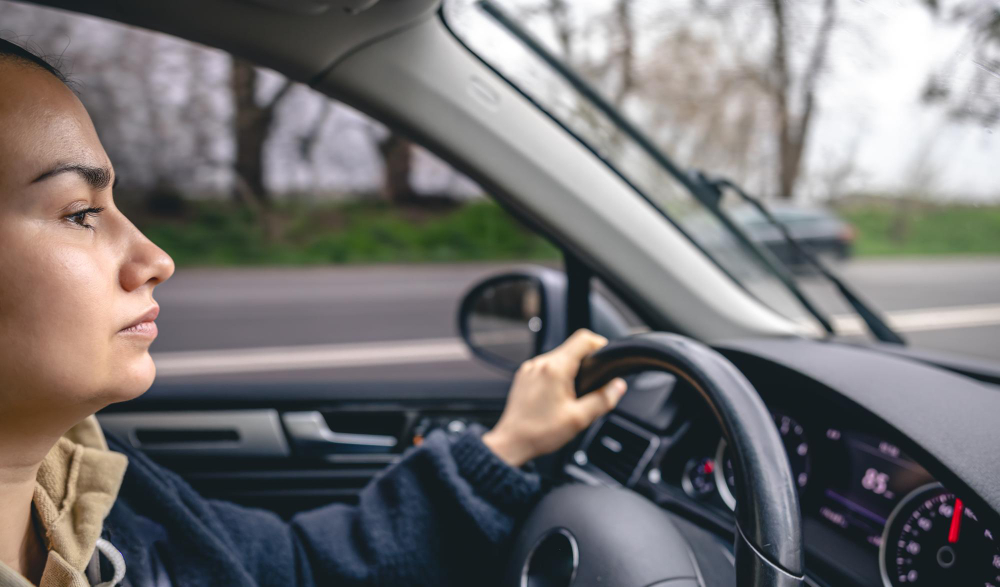
Defensive driving means taking responsibility for your safety on the road, regardless of what other drivers do. This proactive approach to driving reduces accidents and keeps you prepared for unexpected situations. A defensive driving course Calgary drivers take emphasizes these principles, but anyone can learn and apply them.
The Core Principle of Defensive Driving
The foundation of defensive driving is simple: assume other drivers will make mistakes. Don’t trust that a car with a turn signal will actually turn. Don’t assume a driver looking at their phone will notice you. Don’t expect that someone will stop at a red light just because they should.
This mindset isn’t about being paranoid. It’s about staying alert and prepared. When you anticipate problems, you can prevent them or react quickly when they occur.
Maintaining Space Around Your Vehicle
Space management is fundamental to safe driving techniques. Your car needs a cushion of empty space on all sides. This buffer zone gives you time to react and room to maneuver if something goes wrong.
Front space is most important. Keep at least a three-second following distance in good conditions. Increase this to five seconds in rain, snow, or fog. If someone cuts in front of you, back off to restore your following distance.
Side space matters too. When driving next to other vehicles, try to match their speed or create a gap. Don’t linger in someone’s blind spot. On multi-lane roads, position yourself between vehicles in adjacent lanes rather than directly alongside them when possible.
Rear space is harder to control since you can’t make tailgaters back off. If someone follows too closely, increase your following distance to the vehicle ahead. This gives you room to brake more gradually, reducing the chance the tailgater will hit you.
Scanning & Situational Awareness
Defensive drivers constantly scan their environment. Your eyes should move regularly, checking mirrors, scanning ahead, and monitoring side areas.
Use the SEE system: Search, Evaluate, Execute. Search means actively looking for hazards. Evaluate means assessing possible dangers and deciding on a response. Execution means taking action to avoid problems.
Check your mirrors every five to eight seconds. Not just a quick glance, but actually process what you see. Is that car behind you gaining speed? Is someone in the next lane drifting toward you?
Look 12 to 15 seconds ahead on city streets, and 20 to 30 seconds ahead on highways. This advance scanning lets you spot brake lights, stopped traffic, or hazards early enough to respond smoothly.
Predicting Other Drivers’ Actions
Learn to read subtle clues that indicate what other drivers might do. A car with its wheels turned is ready to pull out, even if they haven’t started moving yet. A vehicle drifting within its lane might have a distracted driver. Someone creeping forward at a stop sign may not see you.
Watch for:
- Body language of drivers at intersections
- Cars sitting at side streets or driveways waiting to enter traffic
- Vehicles that suddenly slow down for no apparent reason (they might turn without signaling)
- Aggressive drivers weaving through traffic
- Vehicles that appear poorly maintained (suggesting a careless owner)
These observations help you anticipate problems before they develop.
Safe Following Distance in Various Conditions
The three-second rule is a baseline. Adjust following distance based on conditions:
Rain: Add one second. Wet roads double stopping distance.
Snow or ice: Add two to three seconds. Icy roads can increase stopping distance tenfold.
Heavy traffic: Maintain your distance even if others don’t. Yes, people will cut in front of you. Let them. Better to have someone in your safe space briefly than to tailgate.
High speeds: Add one second for every 10 mph over 40 mph.
Large vehicles: Add one second when following trucks or buses. Their size blocks your forward view.
At night: Add one second. Reduced visibility makes hazards harder to spot.
Intersection Safety
More accidents happen at intersections than anywhere else. Approach every intersection as a hazard, even when you have a green light or right of way.
Slow down and scan left-right-left before proceeding through any intersection. This scan catches red-light runners and drivers who might not see you. At a green light, check that cross traffic is actually stopping before entering the intersection.
At stop signs, stop behind the limit line where you can see traffic but aren’t blocking the crosswalk. Look for pedestrians and cyclists who might be harder to spot than cars.
Before turning at an intersection, check for:
- Pedestrians in crosswalks
- Cyclists coming from any direction
- Vehicles trying to beat the yellow light
- Cars that might turn from the opposite direction
Managing Your Speed
Defensive driving course Calgary instructors emphasize that speed limits are maximum speeds for ideal conditions. Your actual speed should depend on traffic, weather, visibility, and road conditions.
Drive at a speed that gives you time to react. If you constantly feel rushed or like you’re making split-second decisions, you’re going too fast for conditions.
In residential areas, drive slowly enough to stop quickly if a child or pet runs into the street. Near schools, parks, and playgrounds, extra caution is necessary.
On highways, match the flow of traffic rather than rigidly adhering to the speed limit. Being significantly slower than surrounding traffic can be as dangerous as speeding.
Avoiding Distractions
Distracted driving kills thousands annually. Defensive drivers eliminate distractions before they start driving.
Put your phone away completely. No texts, calls, or quick glances at GPS. Set navigation before driving and use voice directions. If you must use your phone, pull over to a safe location.
Eat before or after driving, not during. Adjust climate controls, mirrors, and radio before moving. If you need to deal with something urgent while driving, find a safe place to stop.
Limit conversations with passengers during demanding driving situations. It’s okay to ask passengers to be quiet when you need to concentrate.
Dealing With Aggressive Drivers
You’ll encounter aggressive drivers who tailgate, cut people off, or drive recklessly. Don’t engage with them. Don’t make eye contact, gesture, or try to “teach them a lesson” by blocking them or slowing down.
If someone tailgates you, change lanes and let them pass. If you can’t change lanes, slow down gradually to create more space between you and the vehicle ahead. This gives you room to brake slowly if needed.
If an aggressive driver seems to be targeting you specifically, don’t drive home or to your intended destination. Drive to a police station, fire station, or busy public place. Don’t get out of your car. Call the police if you feel threatened.
Weather Adaptations
Safe driving techniques change with weather conditions. In rain, reduce speed and increase following distance. Turn on headlights (not just running lights) to be visible. Avoid puddles and standing water that can cause hydroplaning.
In fog, use low-beam headlights, not high beams. Fog reflects high beams back at you. Follow road edge lines to stay oriented. Slow down significantly as visibility decreases.
In winter conditions, accelerate and brake gently. Turn slowly. Leave extra time for all maneuvers. Black ice is invisible, so assume any wet-looking pavement might be ice when temperatures are near freezing.
Regular Vehicle Maintenance
Defensive driving includes keeping your vehicle in good condition. Check tire pressure monthly. Inspect tires for wear. Ensure all lights work properly. Keep washer fluid filled and wiper blades in good shape.
Worn tires drastically increase stopping distance, especially in wet conditions. Dead brake lights mean drivers behind you can’t tell when you’re slowing. These mechanical issues turn preventable situations into accidents.
Planning & Preparation
Defensive drivers plan trips in advance. Know your route before starting. Allow extra time so you’re not rushing. Check weather forecasts and road conditions.
Keep an emergency kit in your car: flashlight, blanket, water, snacks, first aid supplies, and jumper cables. Keep your gas tank at least half full, especially in winter.
This preparation means you can handle unexpected situations calmly rather than making panic decisions.
Continuous Learning
Defensive driving is a skill that improves with practice and education. Stay current on traffic laws. Learn from close calls by analyzing what you could have done differently. Consider taking a formal defensive driving course to refresh your skills and learn new techniques.
The goal isn’t just avoiding accidents. It’s creating a driving experience where you’re in control, aware, and prepared for anything that might happen.
Comments are closed