


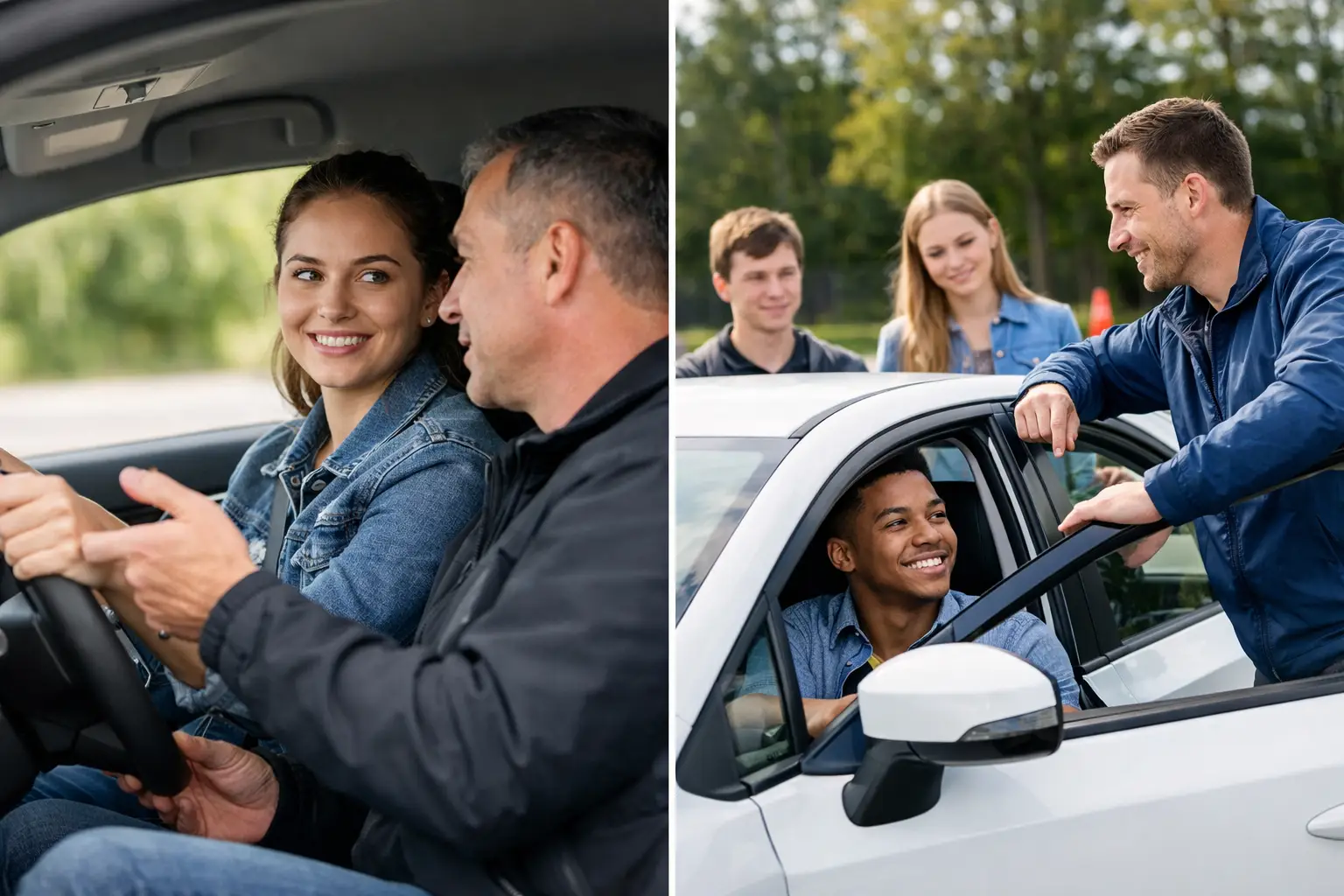
One extra lesson can help. Ten unplanned lessons can get expensive fast. That is why the question of private driving lessons vs driving school package matters more than most new drivers expect. The right choice affects not just price, but how quickly you build safe habits, how prepared you feel for the road test, and whether your training follows a clear path from rules to real-world driving.
For some students, private lessons are the right fit. For others, a structured package gives better value, better consistency, and fewer gaps in training. The best option depends on your experience level, your schedule, and how much guidance you need from start to finish.
Private driving lessons vs driving school package: what is the real difference?
Private driving lessons are usually purchased one session at a time. You book a lesson, work on specific skills, and add more sessions as needed. This model can be useful if you already have some driving experience and want focused help with a few problem areas, such as parallel parking, lane changes, or road test nerves.
A driving school package is more structured. Instead of building your training one lesson at a time, you enroll in a program with defined components, often including classroom theory or online coursework plus a set number of in-car hours. That structure matters because driving is not just a collection of isolated skills. Safe driving depends on progression – understanding traffic rules, applying defensive habits, practicing hazard detection, and repeating key maneuvers until they become consistent.
The main difference is not simply flexibility versus structure. It is whether you are solving one specific issue or building complete driving readiness.
When private lessons make sense
Private lessons can work well for returning drivers, internationally licensed drivers adjusting to local road rules, or students who are close to test-ready but need targeted coaching. If you already know how to control the vehicle and follow basic traffic laws, paying only for the instruction you need can be practical.
This option also helps people with unusual schedules. If your school, work, or family commitments change week to week, single lessons may feel easier to manage than committing to a larger program.
There is also a confidence factor. Some students feel less pressure when they can start small. Booking one or two lessons can feel more manageable than signing up for a full package immediately.
That said, private lessons can become inefficient for beginners. New drivers often do not know what they do not know. They may focus on obvious issues, like parking or turning, while missing deeper problems with scanning, speed control, following distance, or decision-making at busy intersections. Without a structured training plan, progress can feel uneven.
When a driving school package is the better fit
A package is usually the stronger choice for first-time drivers and anyone who wants a clear roadmap. That is especially true for teens moving from a learner stage to a road test, or adults who want a reliable step-by-step approach instead of guessing how many lessons they will need.
A well-designed package combines theory and in-car practice in the right order. You learn the rules, then apply them on the road. You practice over multiple days instead of trying to absorb everything in one rushed block. You build habits with instructor feedback before mistakes become normal.
This model also creates accountability. When training hours, lesson lengths, and outcomes are clearly defined, students are more likely to complete the process. That matters because consistency is one of the biggest predictors of driver confidence. Sporadic lessons can keep students in a cycle of starting, stopping, and relearning.
At Turn by Turn Driving School, the package-based approach is designed around that progression, with self-paced online theory, bundled in-car lessons, and a practical path toward road readiness. For students who want clarity, this kind of structure removes a lot of uncertainty.
Cost is not just the hourly rate
Many students compare these options by looking at the price of one private lesson against the total price of a package. That is understandable, but it is not the best way to measure value.
Private lessons can look less expensive at the start because the upfront cost is lower. But if you need repeated sessions, the total can climb quickly. Beginners often underestimate how many hours it takes to become test-ready, especially when they are also learning road signs, lane positioning, observation habits, and local traffic patterns.
A package usually costs more upfront but gives you a clearer estimate of your total training path. In many cases, bundled instruction reduces the cost per hour and includes important components that would otherwise be added separately.
There is also the cost of poor preparation. Failing a road test, needing extra practice because of inconsistent instruction, or developing unsafe habits that take time to correct can make the cheaper option more expensive in the long run.
Structure versus flexibility
This is where the decision becomes personal.
Private lessons offer flexibility. You can book only what you need, when you need it. If you are already comfortable behind the wheel, that freedom can be valuable.
Packages offer structure. You know what is included, how training is organized, and what milestones you are working toward. For anxious learners, this often reduces stress. A predictable schedule and defined lesson sequence help students focus on learning instead of trying to plan the entire process themselves.
Neither model is automatically better in every situation. A flexible system is useful when skills are already in place. A structured system is usually more effective when the goal is complete driver development.
What beginners often overlook
The biggest mistake new drivers make is assuming that passing the road test is the only goal. It is not. The real goal is becoming a safe, responsible driver who can make good decisions without constant guidance.
That is where packages often stand out. Good schools do not just teach maneuvers. They teach scanning patterns, hazard awareness, intersection judgment, defensive spacing, and how to stay calm under pressure. Those are the skills that protect you after the test, when no instructor is in the passenger seat.
A beginner taking private lessons may still learn those things, but only if the instruction is intentionally organized and complete. If lessons become reactive instead of progressive, important skills can be delayed or skipped.
Road test preparation is different from driver education
Some students are not deciding between two full training models. They are deciding between ongoing education and a few final lessons before the test.
If that sounds like you, private lessons may be enough. A brush-up session or two can sharpen weak areas, correct local rule mistakes, and improve confidence close to test day. This is often the right choice for drivers with prior experience who do not need a full foundation.
But if you still feel uncertain in traffic, struggle with judgment, or rely heavily on whoever has been practicing with you, a package may still be the better investment. Road test preparation works best when it is built on consistent habits, not last-minute correction.
How to choose the right option for your situation
If you are a first-time driver, start by asking whether you want full training or occasional help. If you need a complete learning path, a package is usually the safer and more efficient decision. It gives you theory, practical instruction, and a defined number of hours so you can build confidence in order.
If you already drive and only need to fix specific weaknesses, private lessons can be a smart choice. The same applies if you are returning to driving after time away or adapting to a new licensing environment.
Also be honest about your learning style. Some students do well with independence. Others need a professional framework to stay on track. There is no advantage in choosing the more flexible option if that flexibility leads to delays, inconsistent practice, or avoidable stress.
The better question is what kind of driver you want to become
When people ask about private driving lessons vs driving school package, they are often really asking how to spend their money wisely. That matters. But the stronger question is what kind of support will help you become a driver who is calm, observant, and responsible in real traffic.
If you need targeted help, private lessons can do the job. If you need a complete, confidence-building process with clear milestones, a package usually gives you more than instruction – it gives you direction.
Choose the option that matches your starting point, not just your budget. Good training should leave you with more than a test date. It should leave you ready to drive with safety and control.
Comments are closed