


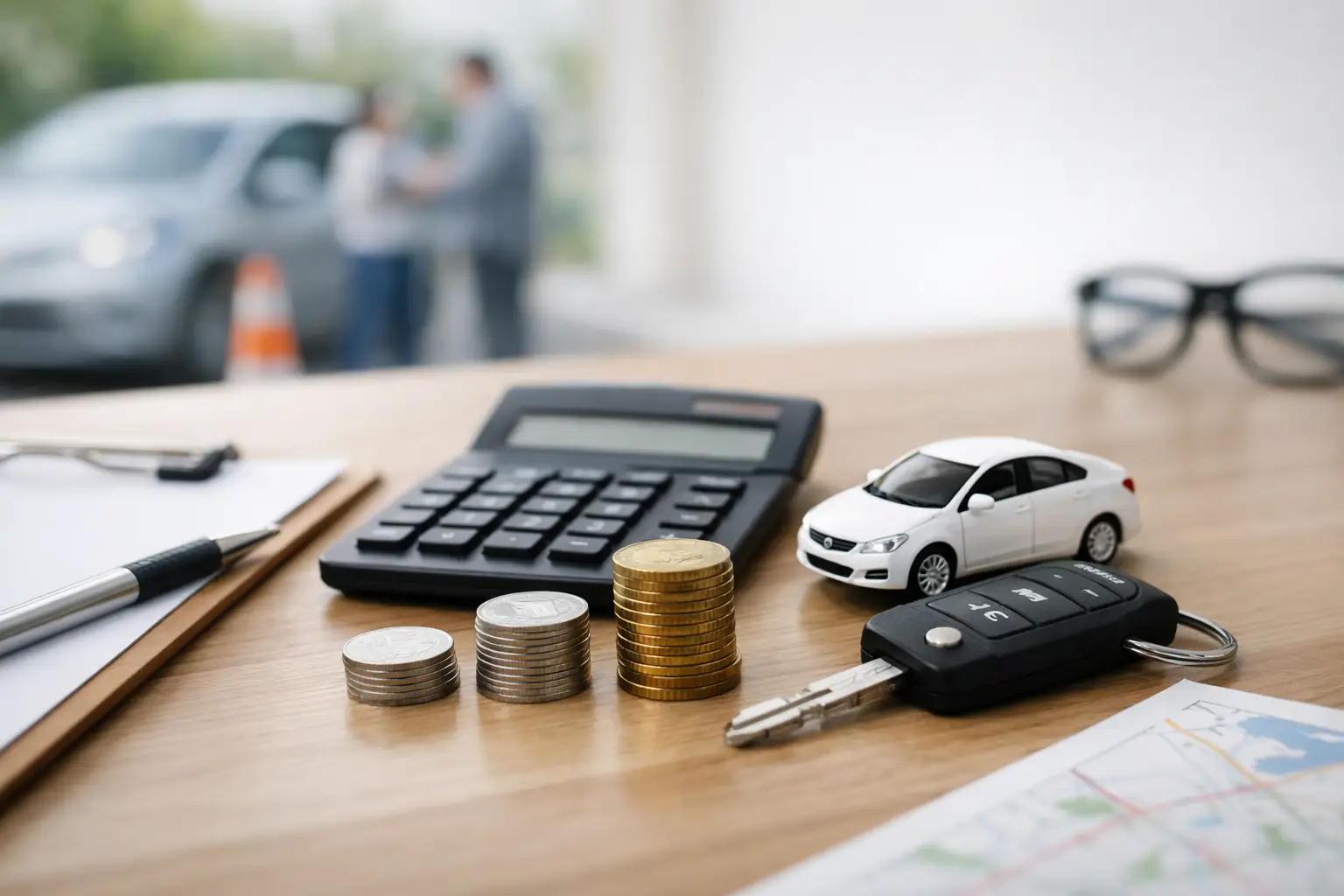
Sticker shock usually happens when a new driver compares one lesson price to another and assumes the cheapest option is the best deal. That is rarely how driver training works. Driving school pricing explained in simple terms starts with one question: what are you actually paying for – seat time only, or a complete training path that helps you become a safe, test-ready driver?
A low advertised rate can look appealing, but it may leave out online theory, structured lesson planning, road test preparation, flexible scheduling, or enough in-car hours to build real confidence. On the other hand, a higher package price may include the pieces that save time, reduce stress, and support better long-term driving habits. If you are choosing a school for your first license, a Class 5 GDL upgrade, or a refresher after time away from driving, understanding the pricing structure matters.
Driving school pricing explained by what you are really buying
Most schools price their services in one of two ways: by individual lessons or by packages. Single lessons can work for experienced drivers who only need a brush-up. For most beginners, though, package pricing is usually easier to understand and easier to manage.
A package often combines classroom or online theory with in-car instruction. That matters because driving is not just about moving the vehicle. A strong program teaches road rules, hazard detection, defensive habits, mirror use, speed control, lane positioning, and decision-making under pressure. When those elements are taught together, students usually progress more steadily.
This is why package-based schools often structure training in clear steps. You complete theory at your own pace, then build practical skill in scheduled driving sessions over multiple days. That format creates consistency, which is a major part of confidence-building.
What affects the price of driving lessons
The biggest cost factor is instruction time. More in-car hours generally mean a higher package price, but also more guided practice with an Alberta-licensed instructor. For a nervous first-time driver, those extra hours are often where real improvement happens.
Lesson length also affects price. Two-hour lessons are common because they give enough time to cover warm-up, city driving, lane changes, intersections, parking, and feedback without feeling rushed. Shorter lessons may cost less upfront, but they can be less efficient if a meaningful part of each session is spent settling in.
The type of training matters too. Beginner education is usually more comprehensive than a refresher lesson for someone who already knows the basics. A new driver needs step-by-step coaching from the ground up. A returning or internationally licensed driver may only need local rule alignment, road test readiness, or practice in Calgary traffic conditions.
Scheduling flexibility can also influence price. Schools that offer online booking, self-paced theory, and organized multi-day scheduling are not simply selling convenience. They are reducing friction for students who balance school, work, and family commitments. That convenience has value because it makes it easier to complete training consistently.
Why package tiers cost different amounts
Not every student needs the same level of support, which is why many schools offer tiered packages. A basic package is typically designed for students who want the required foundation at the most budget-conscious rate. It usually includes core theory and a set number of in-car hours.
A premium package often adds more driving time. That extra time can make a meaningful difference for students who are anxious, have limited outside practice, or want more repetition before a road test. More time with an instructor means more opportunities to correct habits early, practice complex traffic situations, and build control in real conditions.
An ultimate or top-tier package often includes the highest number of in-car hours plus added support such as road test preparation. This is where pricing can look higher at first glance, but the value becomes clearer when you compare it against booking multiple separate lessons later. Bundled pricing often costs less than rebuilding the same support one lesson at a time.
That is the practical side of driving school pricing explained. You are not only paying for hours. You are paying for structure, progression, instructor oversight, and a clearer path from learner to road-ready driver.
Cheap driving lessons are not always lower cost
A low lesson price can become expensive if it leads to fragmented training. If the school does not provide a clear lesson sequence, a student may repeat the same mistakes from one session to the next. If theory is separate, that is another added cost. If road test prep is not included, that may be another booking. If there is no scheduling flexibility, delays can stretch training out for weeks longer than necessary.
There is also the quality issue. Experienced instruction costs more than informal coaching because it delivers professional observation, correction, and accountability. A trained instructor is watching for risk patterns a family member may miss – incomplete shoulder checks, poor scanning at intersections, delayed braking decisions, and weak hazard anticipation. Those details matter for both test success and long-term safety.
So the right comparison is not cheapest lesson versus highest lesson. It is total value versus total outcome.
How to compare driving school prices the right way
Start with the total number of included hours. Then ask what those hours actually cover. Does the package include online classroom learning? Is the theory self-paced? Are in-car lessons delivered in organized blocks that help students retain skills? Is there road test preparation? Are refresher options available later if needed?
Next, look at transparency. A professional school should clearly publish package rates, explain what is included, and make it easy to understand add-on services. Unclear pricing often creates stress at the worst time, usually when a student realizes they need more practice before a test.
It is also smart to think about your own learning profile. A confident adult with previous driving experience may not need an extensive package. A teenager with limited road exposure usually benefits from a more structured plan. Someone with test anxiety may save money overall by choosing a package with more support rather than trying to get through on the minimum.
Driving school pricing explained for different kinds of drivers
For first-time drivers, the best value usually comes from a full beginner package. You need more than enough hours to operate the car. You need a training sequence that builds judgment, consistency, and defensive habits from the beginning.
For Class 5 GDL drivers upgrading to a full Class 5, pricing depends on how much support is still needed. Some drivers only need a targeted brush-up focused on test standards. Others need more coaching to correct habits that developed after licensing.
For internationally licensed drivers, lesson pricing can be harder to judge because experience levels vary. Some are highly capable drivers who only need help adjusting to Alberta rules, signs, and road test expectations. Others have years of experience but little exposure to winter conditions, school zones, or local driving patterns. In those cases, a shorter refresher package may be more appropriate than a full beginner course.
When paying more makes sense
Paying more makes sense when the added service changes the result. More in-car hours are worthwhile if they close a confidence gap. Road test preparation is worthwhile if it helps you understand exactly how you will be evaluated. Online learning is worthwhile if it lets you move through theory on your schedule instead of delaying your progress.
At Turn by Turn Driving School, this is why package structure matters. A clear mix of self-paced online coursework, scheduled 2-hour in-car lessons, and optional higher-level support gives students a predictable path instead of a patchwork of bookings.
The goal should never be to buy the most training. It should be to buy the right training. The right package gives you enough instruction to drive with control, awareness, and responsible decision-making long after the road test is over.
If you are comparing schools, pause before focusing on the first price you see. Look at the full training path, the hours included, the level of instructor support, and whether the program is built to help you become safe and confident behind the wheel. That is where the real value is found.
Comments are closed