



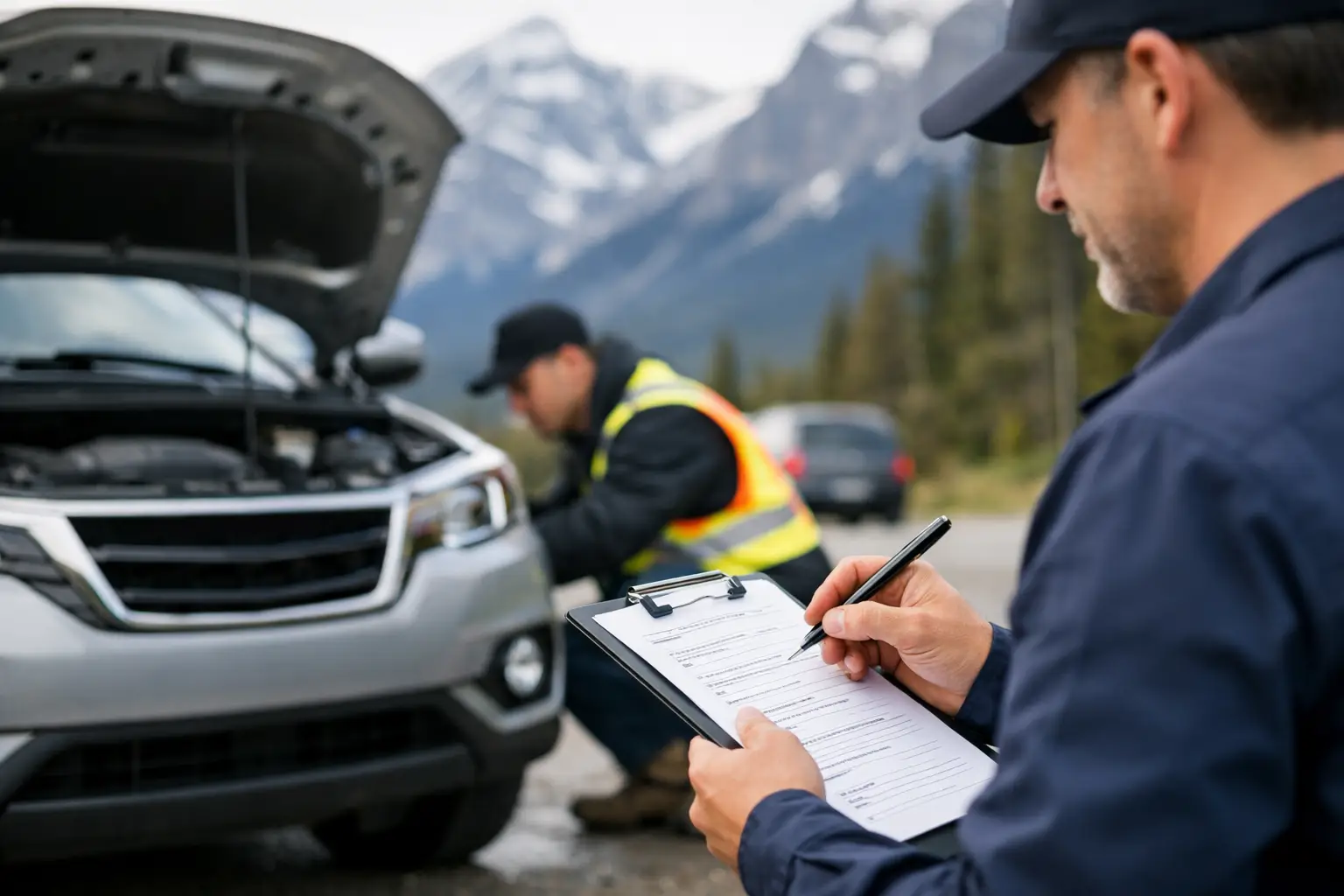
A missed brake light, a low tire, or a windshield that suddenly will not clear can turn an ordinary drive into a safety issue. A vehicle inspection checklist Alberta learners can use before practice, a road test, or daily driving creates a simple habit: check the vehicle before asking it to carry you safely through traffic.
For new drivers, an inspection is not about acting like a mechanic. It is about recognizing visible problems, understanding what needs immediate attention, and making responsible decisions before getting behind the wheel. That awareness is part of becoming a safe, responsible driver for life.
Why a pre-drive inspection matters
A vehicle can feel normal from the driver’s seat while still having a problem that affects safety. Underinflated tires reduce control and can increase stopping distance. A burned-out signal light makes your intentions harder for others to read. Low washer fluid becomes a serious concern when Calgary roads are wet, dusty, slushy, or covered in road spray.
For Alberta Class 5 road tests, your vehicle must be safe and legal to operate. The examiner may refuse to conduct the test if the vehicle has an obvious safety defect, required equipment is not working, or the vehicle cannot be operated safely. That can mean losing a test appointment because of an issue that took only a few minutes to find.
A regular inspection also strengthens defensive driving. When you know your tires, mirrors, lights, brakes, and visibility equipment are in good working order, you can focus more fully on hazards, space management, speed control, and decision-making.
Vehicle inspection checklist for Alberta drivers
Complete the outside check before you enter the vehicle whenever possible. You do not need to perform a full mechanical inspection every day, but you should make a consistent visual scan and address anything unusual.
Start with the tires and wheels
Walk around the vehicle and look at all four tires. They should appear properly inflated, with no obvious flat spot, bulge, deep cut, or exposed cord. Check that the tires have visible tread and that no object, such as a nail or screw, is stuck in the rubber.
Look for obvious damage to the wheel or loose-looking wheel hardware. If one tire looks lower than the others, do not assume it is fine because the vehicle still moves. Use a tire pressure gauge when available and follow the pressure listed on the vehicle’s tire information label, usually found inside the driver’s door area. The number molded into the tire sidewall is not usually the recommended operating pressure.
Tire condition matters even more during winter driving. Winter tires, appropriate pressure, and good tread all contribute to traction, but none of them make icy roads risk-free. Drivers still need to reduce speed, increase following distance, and brake smoothly.
Check lights, lenses, and license plates
Make sure the headlights, taillights, brake lights, turn signals, and hazard lights work. If you are inspecting the vehicle alone, turn on the lights and signals, then walk around the vehicle. For brake lights, ask someone to help or back close to a reflective surface where you can see the light response.
The lenses should be clean and not heavily cracked. In winter, clear away snow, ice, and dirt from all lights before driving. A light that is technically working but covered in grime does not give other drivers the information they need.
Confirm that the front and rear license plates are secure, visible, and readable. Do not leave snow, mud, bike racks, or other items blocking the plate.
Look at windows, mirrors, and wipers
Your windshield, side windows, rear window, and mirrors must give you a clear view of the road. Remove all snow and ice, not just a small viewing patch in front of the driver. Clear the roof as well. Snow left on top can slide onto the windshield during braking or blow onto vehicles behind you.
Check the windshield for major cracks or damage that interferes with your view. Test the wipers and washer fluid before you need them. Worn wiper blades can smear road salt across the windshield and reduce visibility at exactly the wrong moment.
Adjust the side and rearview mirrors before moving. Your mirrors should support a quick traffic check, but they do not replace a shoulder check. Every lane change, merge, and pull-away still requires you to check the blind spot.
Check for leaks, loose parts, and obstructions
Look underneath the vehicle for fresh fluid leaks. A small amount of clear water beneath the vehicle may be normal condensation from air conditioning, but dark oil, colored coolant, or a strong fuel smell needs attention. If you smell fuel, see smoke, or notice a warning light paired with poor vehicle performance, do not continue driving until the issue is assessed.
Check that the hood, trunk, doors, and fuel door are fully closed. Remove loose items from the dashboard, rear window shelf, and floor around the pedals. A water bottle rolling under the brake pedal or a bag blocking your view can quickly create a dangerous situation.
Before a road test, confirm that the passenger seat and rear seating area are reasonably clear. An examiner needs safe access to the vehicle and an unobstructed view of the driving environment.
Inside the vehicle: your final safety check
Once seated, take a moment to set up the driving position before starting the engine. Adjust the seat so you can press the brake pedal firmly without stretching. Set the head restraint near the middle of the back of your head, fasten your seat belt, and ensure passengers are properly restrained.
With the engine running, check the instrument panel. Pay attention to warning lights that remain on after startup, especially brake, oil pressure, temperature, battery, and tire-pressure warnings. Some lights may indicate a maintenance need rather than an immediate emergency, but you should never ignore them. If you are unsure what a warning means, consult the vehicle manual or have a qualified technician inspect the vehicle.
Test the brake pedal before pulling away. It should feel firm and responsive, not soft, spongy, or unusually low. Confirm the parking brake releases fully before driving. Then verify that the gear selector engages properly and that the horn works.
For a road test, bring the vehicle registration and valid insurance documentation required for the appointment. Check these before leaving home, not from the parking lot when your test time has already arrived.
What to do when you find a problem
Not every issue has the same urgency. A dirty windshield may be solved with washer fluid and proper cleaning. A low tire may need air, followed by a closer inspection for a leak. A dead turn signal bulb, brake warning light, fuel smell, or brake concern requires more caution.
The practical rule is simple: if the problem could affect your ability to see, signal, steer, stop, or remain visible, do not treat it as a minor inconvenience. Arrange repairs before driving whenever possible. If you are preparing for a road test, use another safe, properly equipped vehicle rather than hoping the issue will be overlooked.
Private passenger vehicles and commercial vehicles do not have identical inspection requirements. Commercial drivers may be subject to formal daily inspection rules and prescribed schedules. A Class 5 learner should not confuse this everyday checklist with a commercial inspection form. Still, the core safety mindset is the same: identify defects early and do not operate an unsafe vehicle.
Build the habit before every lesson
A thorough walk-around may take five minutes. Once it becomes routine, a daily pre-drive check often takes less than two. The value is not in rushing through it. The value is in noticing what has changed since the last drive.
At Turn by Turn Driving School, students learn that confident driving starts before the vehicle moves. Practice this checklist with a parent, supervisor, or Alberta-licensed instructor, ask questions when something does not look right, and make vehicle readiness part of every drive. That small routine supports better road-test preparation and safer decisions long after the test is finished.
Comments are closed